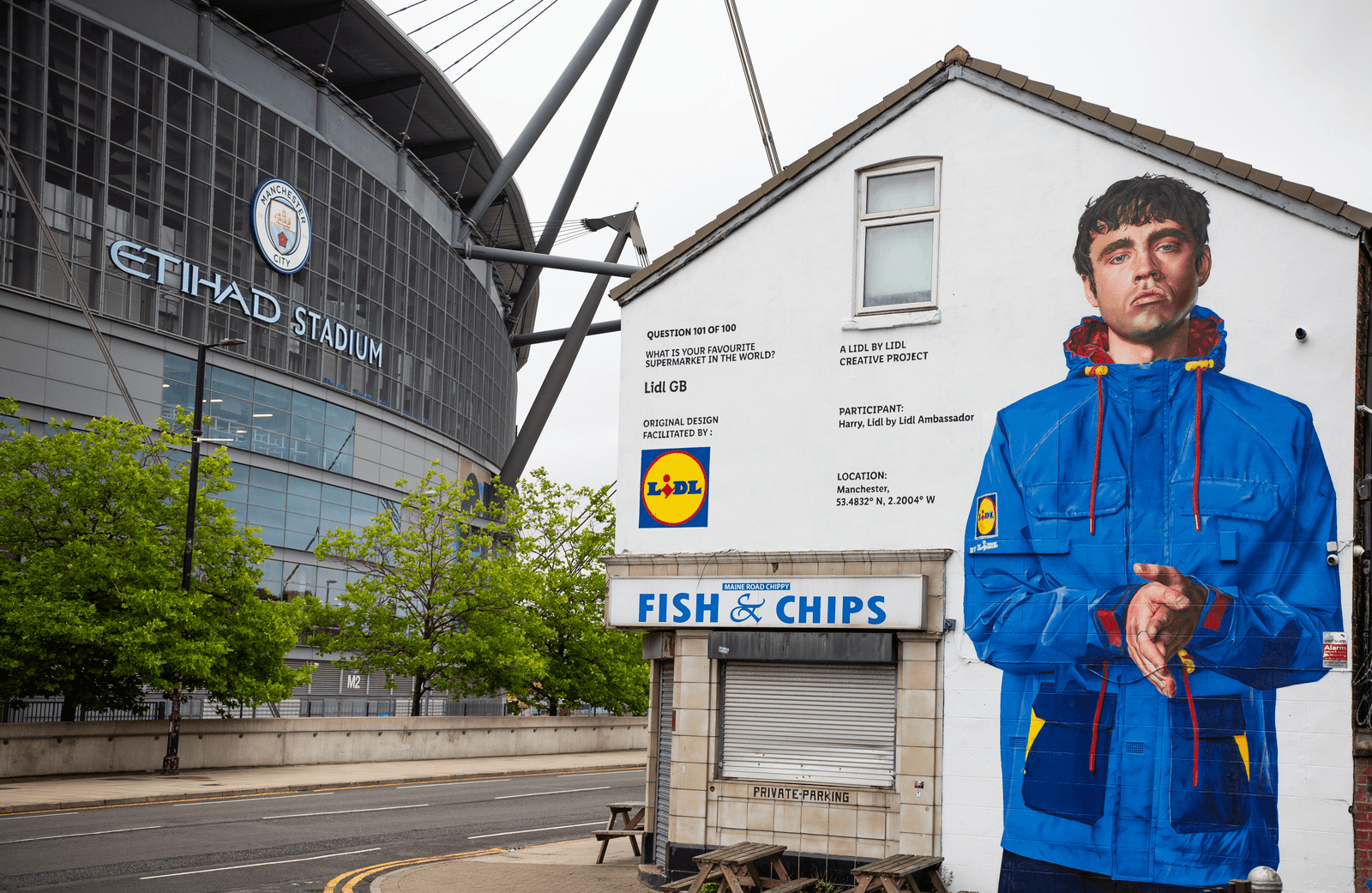
If you know, you know. You know?
Sports marketing has become one of the industry’s most overfed playgrounds. Every brand wants a piece of fandom. Every sponsor wants proximity to passion. And with D&AD introducing Sports & Entertainment as a dedicated category this year, it’s clear the creative industry sees the same opportunity.
But opportunity and authenticity are not the same thing. Not all brands have realized where the authentic opportunity lies. While many plow money into the biggest, glossiest moments in sport, hoping to shout louder than their rivals, real fans are looking for allies, not activations. The smarter brands are the ones that understand the challenges, compromises and little heartbreaks that come with being a fan.
In the last few weeks alone, we’ve seen a devoted Real Sociedad fan, Iñigo, go viral after opting to watch the game outside of the stadium and give up his only two tickets to his wife and daughter. We’ve watched a group of Bayern Munich fans charter an entire flight to Madrid to combat sky-high ticket prices. And heard the news that England super fan, Andy Milne, sold his home (yes, his home) to fund a trip to this year’s World Cup.
Each of these stories paints the perfect picture of what sports fandom really is. It’s messy, it’s expensive, it hurts, and it’s all so good that it keeps us coming back for more.
That was the tension we tapped into at The Romans when Heineken asked us to announce the renewal of its decade-long F1 partnership.
Heineken was set to be at every F1 race in the 2026 season. Most fans would be lucky to make one. Some would struggle even to watch them all live. So the question became obvious: if Heineken gets a season-long seat at the sport, why not fans?
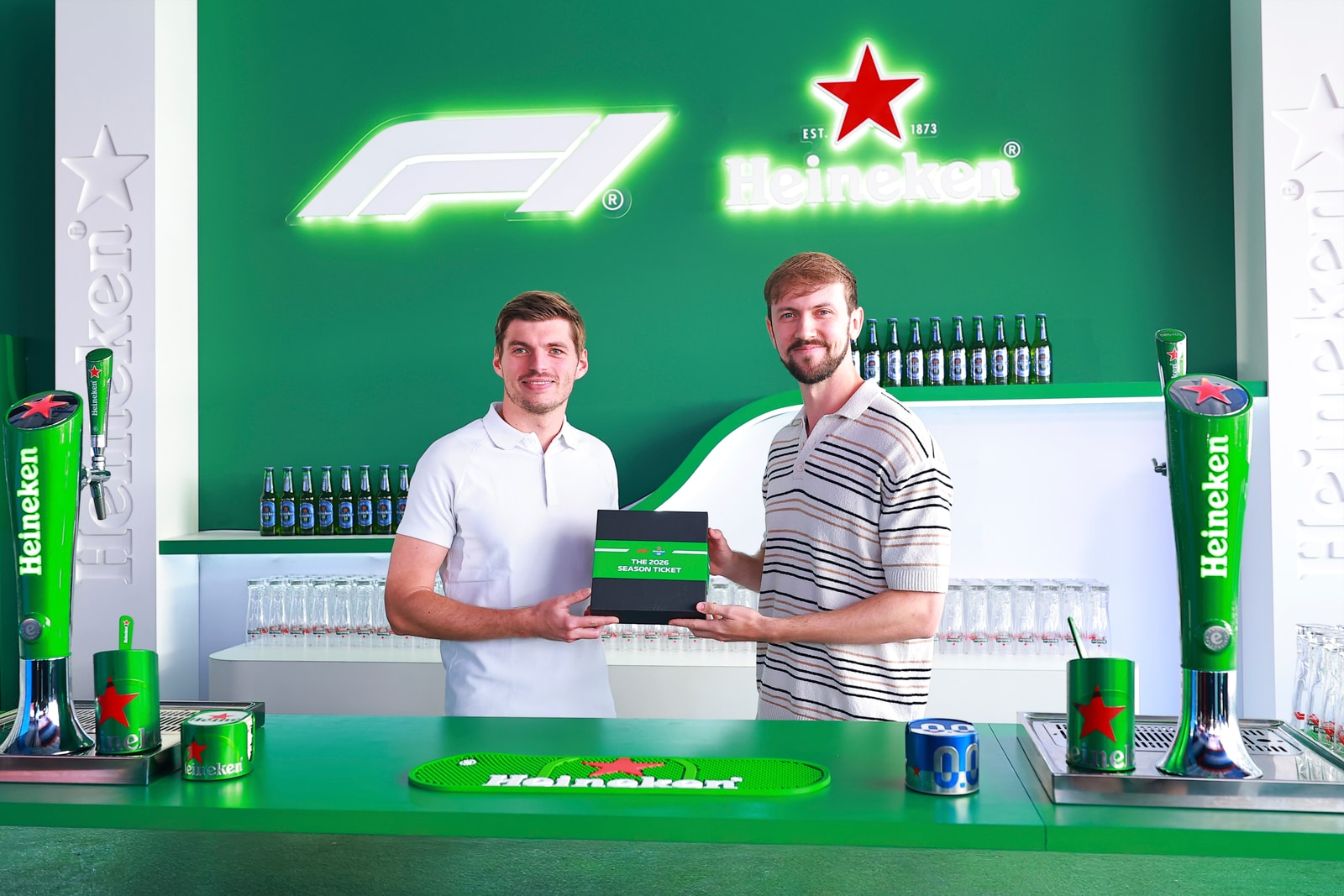
We took that pain point and developed a meaningful solution: the world’s first F1 season ticket; an all-inclusive, pocket-sized pass that provided one lucky fan and a friend with race passes, flights, and accommodation for every race across a calendar season. The inaugural pass was gifted to F1 superfan Brandon Burgess, who had already experienced the challenge of trying to achieve the feat on a £20,000 budget. Despite the fact that Brandon was the sole holder of the season ticket, the campaign resonated with the wider F1 community, as fans who shared the pain could connect with the challenge Heineken was fighting to overcome.
And that, I think, is where sports sponsorship gets interesting. Not when a brand borrows the shine of a sport, but when it earns a role inside the reality of being a fan.
Sponsors often want to focus on the part of it that everyone can easily see: the victories, the trophies, the pre-game hype or the merch. And by doing so, they are simply engaging with the culture of sport, rather than actively being a part of it.
It’s the sponsorship equivalent of showing up in full kit at the end of a game you didn’t play (prime John Terry behavior) and expecting the crowd to believe you were there for the whole 90 minutes.
The real opportunity is in the bits fans actually live through. The friction. The sacrifice. The inconvenience. The absurd lengths people go to just to be there.
Because when brands solve the pain, they don’t just show up in sport.
They earn their place in it.