The World Cup’s real winners enjoyed ‘rights-free relevance’ over official sponsorship
Brands are playing a new game with sports marketing. Official deals are no longer necessary to get the best exposure.
Every four years, brands spend hundreds of millions of dollars to become official FIFA World Cup partners, with the 2026 World Cup cycle having generated around $2.8 billion in sponsorship revenue for FIFA, up from $1.8 billion generated in the cycle leading up to the 2022 World Cup in Qatar.
But the 2026 World Cup exposed an uncomfortable truth. Owning the rights no longer means owning the conversation, with the brands that generated the greatest cultural conversations around the tournament having no official association.
Instead, they played a different game. A game we’re calling Rights-Free Relevance. This game requires an understanding of how to earn your place in cultural conversation and isn’t reliant on a hefty rights fee.
Importantly, whilst I believe the winners at this World Cup were those without official deals, that doesn’t mean that rights free relevance is reserved only for those without rights. Rights free relevance is a mindset that sponsors must adopt moving forwards too.
The new sports marketing playbook
For decades, sponsorship operated like a monopoly. If you wanted to talk credibly about the World Cup, or any other major sporting event, you bought the rights for a hefty fee. The model was simple; Buy the rights. Borrow the association. Activate the assets (although a surprising number of brands fail to do that). Win the attention.
But in today’s social platform powered world, this model of borrowed attention is no longer enough. Once a media event, the World Cup is now a cultural event and to capitalise on that you need to understand the people, platforms, voices and outlets that control culture. And they're not the official bodies and rights holders (Sorry Gianni).
For me, the brands that won at this World Cup embraced three rules:
Pass the Pub test - Imagine walking into a pub, shouting at everyone about how great you are and then leaving. At best you’ll be ignored, at worst people will think you’re a total wanker. Get into the mindset of asking a) are you shouting or joining a conversation b) if you’re joining in a convo is it one that ordinary people in pubs, parks and whatsapp chats are actually talking about and c) are you adding value to that convo?
Uncover culture - the World Cup is now a melting pot of cultural reference points. Where once brands were limited to working with the mainstream stars of the sport, and the topics that traditional media covered. Now there’s so many more cultural touch points for brands to lift the lid on - ordinary people have become viral memes, sport transcends into everything from entertainment to politics and beyond, with the topics of conversation on social are broader than ever before.
Lean into irreverence and humour - beyond performance on the pitch, a space very few brands have permission to play in, the beauty of sport is its ability to make us laugh (and sometimes cry). In a world where there’s far too much darkness, people are yearning for some much needed light and the brands who aren’t afraid to lean into this are being rewarded.
The brands that embraced rights free relevance
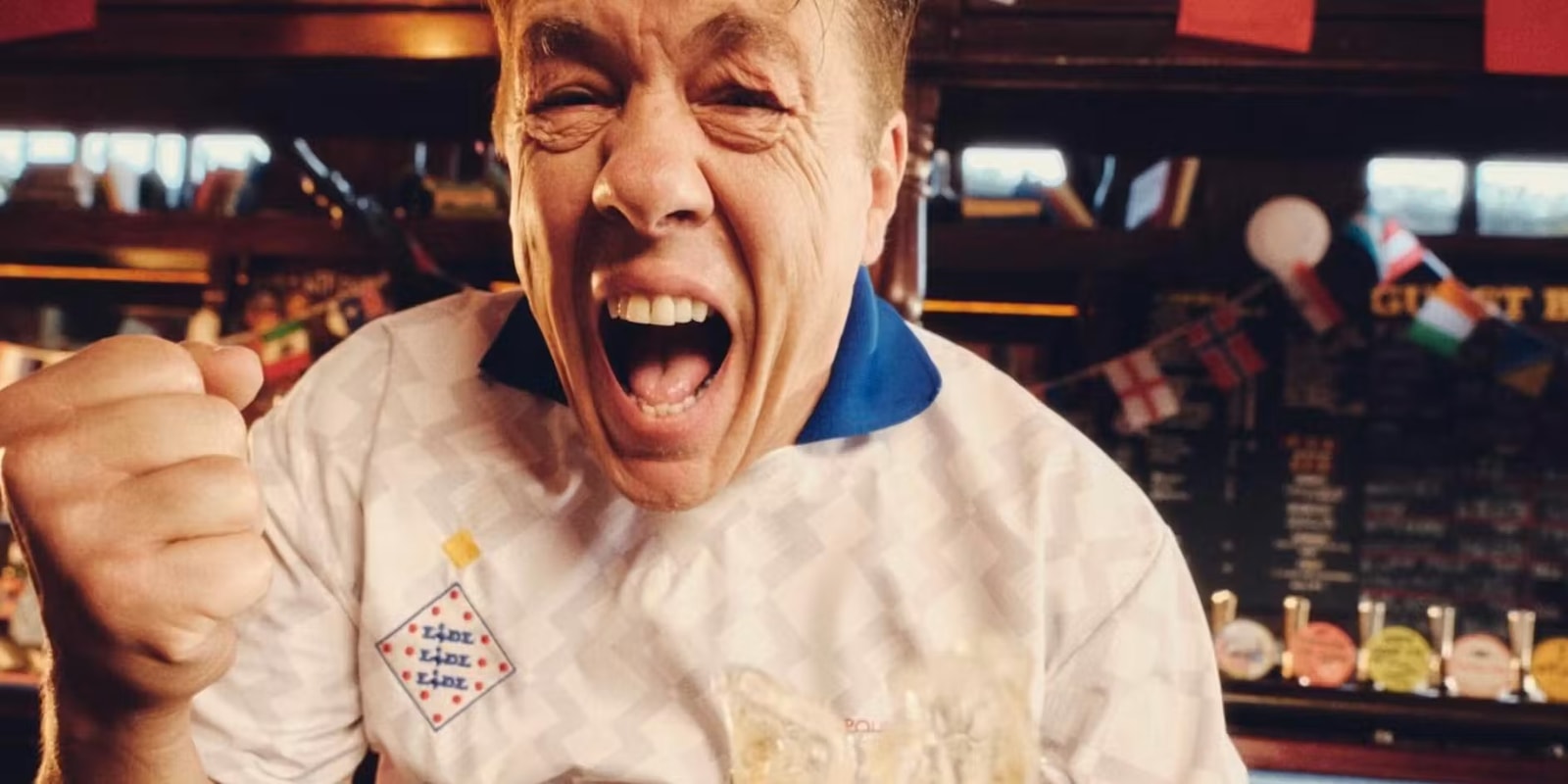
An irreverent solution: Romans client Lidl kicked off the World Cup with its Three Lidls Shirt. Developed in collaboration with the internet’s favorite England Super Fan, Andy Milne, the shirt featured beer proof “pour-tex’ (geddit?) technology. LIDL found a conversation - who hasn’t been soaked in the good stuff whilst celebrating an England goal - and added value to it in an authentic, irreverent manner.
Reactive relevance: Ironically Levi’s became one of the stories of the tournament because FIFA tried to make it invisible under its clean venue rules. Instead of treating that as a setback, Levi’s made the cover-up the campaign itself, playfully embracing the censorship across socials and turning exclusion into earned attention.
Social currency is king: British Airways and Norwegian Airlines embraced the sort of friendly rivalry football fans embark on down the pub ahead of the Quarter Final showdown between their home nations. A public bet that played out on social - the losing nation had to wear the colours of their competitor across their socials for a day.
Passing the pub test: The OGs of rights free relevance, Paddy Power once again proved that there’s no other brand that better understands what fans are talking about down the pub. Their brilliant skits featuring Scottish legends Gordan Strachan, Charlie Nicholas and Graeme Souness supporting every team that England played against was a masterclass in understanding how every England and Scotland fan felt.
“Adverts” can earn attention too: Irn Bru’s “We’re made in Scotland from Girders” was one of the few examples of a “World Cup Anthem” that has actually worked. That’s because it was packed full irreverent yet authentic talent - from a breakdancing SuBo Franz Ferdinand’s and viral singer May Miller - cultural reference points and self-deprecating humour. It embodied Scotland and the world was here for it.
What this means for marketers: Rights are the starting line not the finish line
None of this means sponsorship has become less valuable. Quite the opposite. Official partners still enjoy unrivalled access, assets, hospitality, player rights and global visibility. It’s just that these rights alone are no longer enough, because today you’re competing for share of voice amongst not only more official sponsors, but also content creators, meme accounts, social publishers, media owners and now brands embracing rights free relevance.
This means sponsorship should be seen as the starting line, where rights are creative fuel to light a fire under fan conversation. The value has moved from what you own to what you create, which means instead of asking the question: “Can we afford a sponsorship?”. Thebetter question is: “Can we afford ideas and are we willing to lean into a cultural conversation?
Chris Allen, Executive Director of Sports and Entertainment.
This was featured in The Drum. See it here.