If you know, you know. You know?
SELL: Cake vs biscuit. I don’t even need to say the brand and you know which jelly-filled British favourite I’m referring to.
Some would say that’s the kind of brand equity money can’t buy. But when it comes to earned-first creativity, it’s also a spongey double-edged sword.
The debate has become such a British institution that the second media catch even the faintest whiff of a campaign trying to reignite it, the shutters come down.
“We’re not running your ad campaign.”
We knew from the off that journalists would be too cynical and consumers too savvy to believe a “cake vs biscuit” PR stunt was anything other than a desperate brand play. So, if we wanted to inject ourselves back into the national conversation, we had to think differently and admittedly, play a little dirty.
The breakthrough came when we stopped thinking like a brand and started thinking like slightly petty pub debaters. Because the nation doesn’t actually enjoy agreeing on whether it’s a cake or biscuit. It enjoys arguing about it. Loudly. Publicly. Repeatedly.
So we found the one place in Britain capable of committing the ultimate act of betrayal: a biscuit museum.
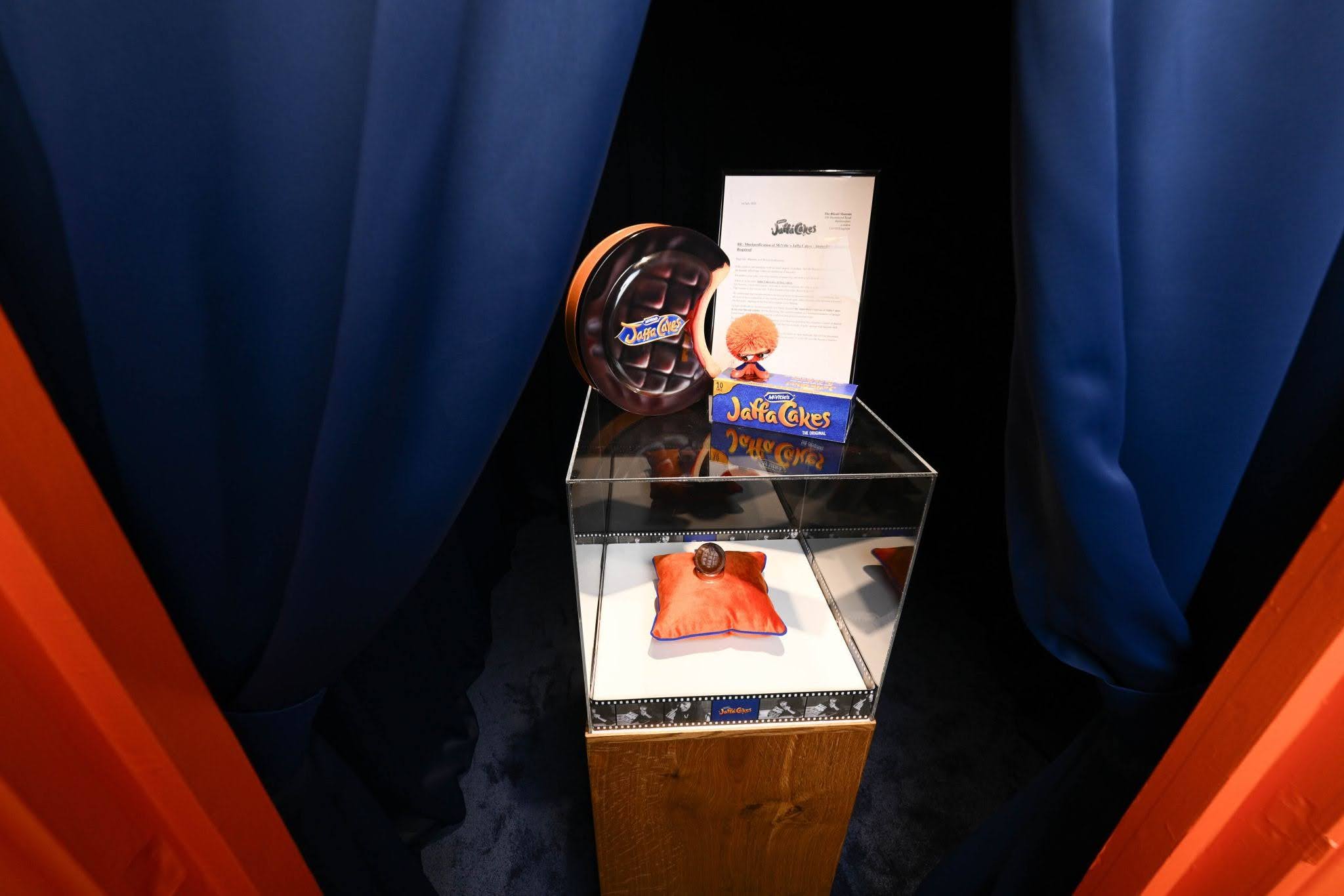
Then we orchestrated the unthinkable. One of the nation’s most controversial baked goods was submitted into the museum’s collection and accepted as an official biscuit. To some, harmless admin. To others, cultural treason.
That single act became the spark.
Because the moment the museum legitimised it as a biscuit, they had taken a side and we had permission to respond. Not with advertising, but outrage. The kind of outrage so overdramatic it instantly became shareable.
Legal letters were fired off.
Statements were issued.
Sides were taken.
We issued a cease and desist that became a Trojan horse. Not there to shut the story down, but to blow it wide open. Media who’d never run a “cake vs biscuit” campaign suddenly couldn’t resist covering an escalating public fallout between a beloved British treat and a biscuit museum run by two blokes called Gary and Frank.
And that’s the bit people often misunderstand about earned creativity. The best campaigns don’t just interrupt culture. They choreograph it.
Anyone can launch a stunt.
Very few can engineer participation.
Because participation is where campaigns start travelling on their own. The second people add their own opinions, jokes and outrage, the work stops belonging to the brand and becomes public property.
But we didn’t stop at sparking national outrage.
The final move was ensuring the debate ended in our favour. An agreement was eventually reached with the museum. The debate would officially be settled in favour of cake. But not before the museum unveiled one final addition to its collection: An entire new wing dedicated entirely to… yep, you guessed it, cake. The debate was settled, Gaz and Frank got onboard and The Cake Wing was born.
Some people loved it.
Some people hated it - that was the point.
But everyone talked about it.
Ohh, and did you notice I never once said who the brand was? Yet, you knew exactly who I was talking about all along.
That’s the kind of brand equity media budgets dream of. Because you can’t buy that level of conversation and engagement but, with the right unapologetic creative approach, you can earn it.